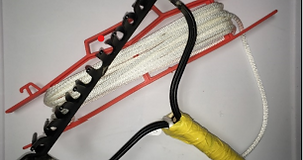
Aquatic Invasive Species Early Detection

Protecting Our Lakes: WAPOA’s Volunteer Early Detection Program
The Whitefish Chain of Lakes is one of Minnesota’s most treasured destinations, known for its clear waters, vibrant fisheries, and unmatched natural beauty. But in the fall of 2024, the discovery of Starry Stonewort in Rush Lake underscored how vulnerable these, and all the waters in the area, are to aquatic invasive species. This aggressive algae spreads quickly, forming thick mats that harm fish habitat, restrict recreation, and reduce property values. Once established, it’s nearly impossible to remove.
That’s why the Whitefish Area Property Owners Association (WAPOA) launched the Volunteer Early Detection Program—a community-driven effort to stop invasive species before they spread.
A Community Effort That Works
Through the program, lake residents and visitors are trained to:
-
Recognize Starry Stonewort and other invasive species
-
Monitor high-risk areas such as boat landings and shorelines
-
Report potential sightings quickly so action can be taken
You don’t need a science background to help, just a love for the lakes and a willingness to keep watch. Every volunteer adds another layer of protection to our lakes.
Why It Matters
Early detection is the key to prevention. Catching invasive species before they spread protects:
-
Our environment – maintaining healthy fisheries and natural habitats
-
Our property values - AIS infestations can reduce lakefront values by 10–20%
-
Our way of life – ensuring future generations can boat, swim, and fish the same pristine waters we enjoy today
Be Part of the Solution
For more than 50 years, WAPOA has worked to protect and preserve the Whitefish Chain and Pine River Watershed. The Volunteer Early Detection Program continues that mission by turning concern into action.

.jpg)


Complete the contact form and someone will reach out to you soon.
Take the paper copy with you for your monitoring for easy reporting

Quick and Informative Training for Starry Stonewort Identification
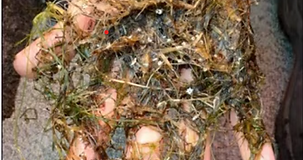
Starry Stonewort Description & Cheat Sheet
How to Report Suspicious Findings